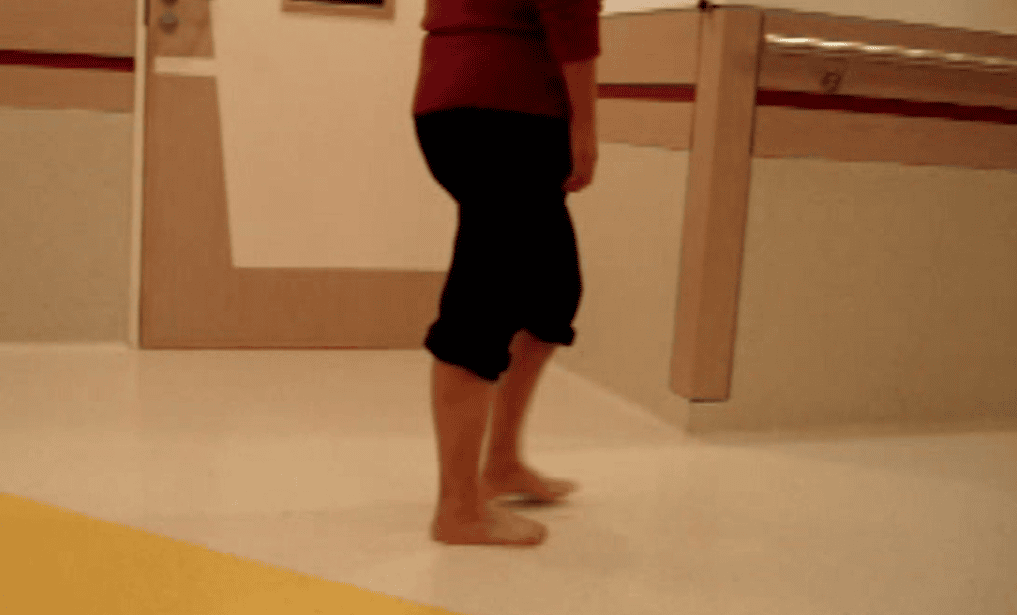
Hemiplegia is complete or partial paralysis of one side of the body, usually affecting the arm, leg and sometimes the face. It most often occurs after a stroke, but can have other origins. Understanding this condition is the first step to better support recovery and return to a daily life as independent as possible, thanks in particular to adapted aids such as the Wheeleo®.
Simple definition: The term “hemiplegia” comes from the Greek hemi (half) and plêgê (blow, hit). It refers to the total or near-total paralysis of one half of the body, on the left or right, resulting from a brain or spinal cord lesion.
In practical terms, a person with hemiplegia loses motor control on one side of the body. The lesion responsible is located on the opposite side of the brain: damage to the left hemisphere causes right hemiplegia, and vice versa. This cross-organization is explained by the pathways of nerve fibers that decussate (cross) in the brain stem.
It’s important to distinguish between two closely related terms. Hemiplegia refers to total paralysis, while hemiparesis corresponds to partial paralysis: motor skills are diminished, but not completely abolished. In clinical practice, the two forms often coexist, and may evolve towards each other as recovery progresses.
In the first few hours or days following injury, we generally observe a flaccid hemiplegia: the muscles on the affected side are soft and toneless. Gradually, in many cases, spasticity sets in: muscles become rigid and difficult to control, complicating walking and everyday movements.
Hemiplegia has a variety of causes. The most common is stroke, but other pathologies can also cause paralysis.
A stroke occurs when the blood supply to part of the brain is suddenly interrupted, either by occlusion (ischemic stroke) or hemorrhage (hemorrhagic stroke). Oxygen-deprived nerve cells die within minutes, leaving sequelae that can result in hemiplegia. In Belgium, around 20,000 people suffer a stroke every year.
Symptoms of hemiplegia mainly affect one side of the body, and may combine motor, sensory and cognitive disorders.
Diagnosis of hemiplegia is primarily clinical: the doctor assesses muscle strength, reflexes, sensitivity and coordination on each side of the body. A neurological examination helps locate the lesion and estimate its extent.
The complementary examinations used are as follows:
| Term | Simplified definition | Affected area | Main cause |
| Hemiplegia | Total paralysis of one side of the body | Arm, leg, sometimes face (one side only) | Stroke, head trauma |
| Hemiparesis | Partial weakness on one side of the body | Idem, but residual mobility retained | Stroke, MS, brain tumor |
| AVC | Stroke (the cause, not the consequence) | Brain (area varies depending on vessel involved) | Occlusion or rupture of a cerebral vessel |
| Paraplegia | Paralysis of both lower limbs | Both legs (and sometimes the trunk) | Spinal cord injury (thoracic or lumbar) |
There is no single treatment: the management of hemiplegia is multidisciplinary and tailored to each individual patient. It combines an acute medical phase with an intensive, long-term rehabilitation program.
Rehabilitation is the central pillar of recovery from hemiplegia. It calls on a number of professionals in the healthcare sector:
Recovery from hemiplegia is variable, depending on the extent of the brain injury, the patient’s age, the early stage of treatment and the person’s motivation. Neuroplasticity (the brain’s ability to reorganize its connections) plays a fundamental role.
Good to know: Recovery is fastest during the first three to six months, but can continue for several years thanks to a regular rehabilitation program and the use of adapted technical aids.
Total recovery is possible in some cases, particularly when the brain lesion is limited and treatment is carried out at a very early stage. However, for the majority of patients, the aim is to maximize functional recovery and compensate for persistent after-effects, rather than “cure” in the strict sense. Some people recover near-normal walking, while others retain permanent deficits requiring long-term support.
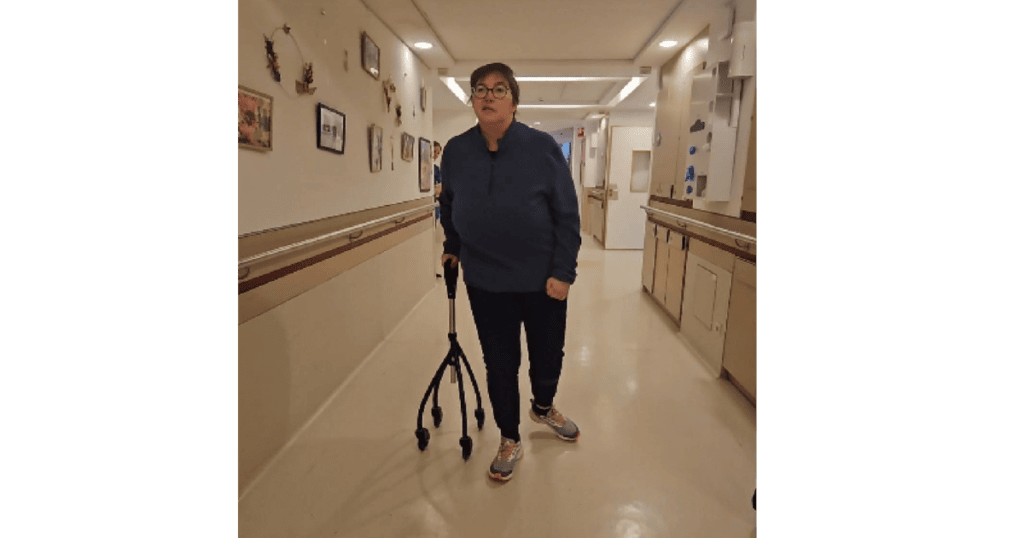
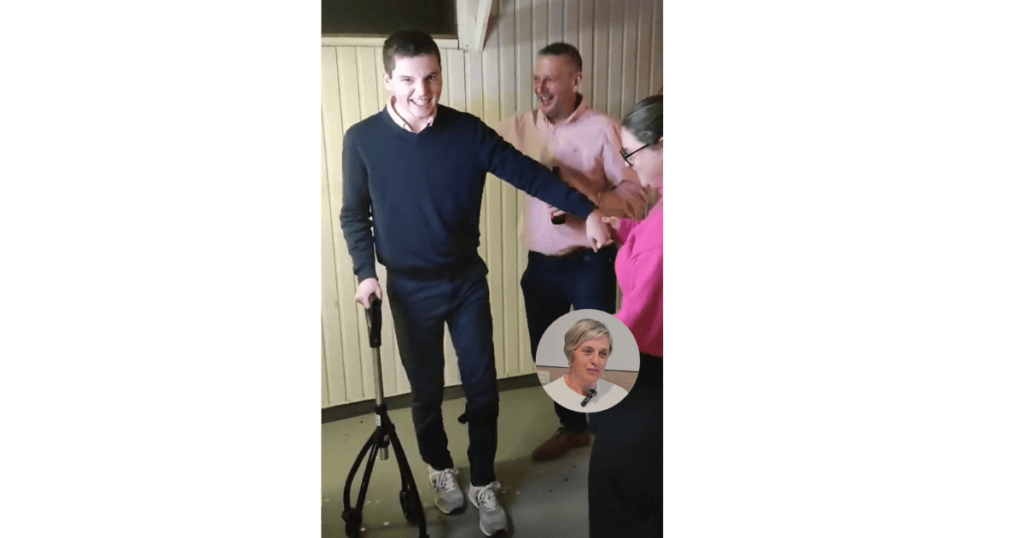
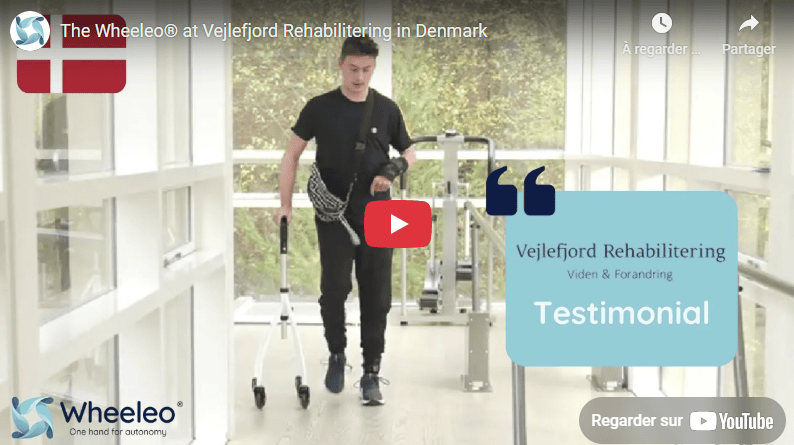
Yes, in many cases, a hemiplegic patient can learn to walk again, thanks to physiotherapy and mobility aids. The ability to walk depends in particular on the recovery of the affected leg and balance. Adapted technical aids (cane, one-handed walker) help to ensure safe walking, even when the arm or upper limbs are not functional.
One of the major challenges of daily life with hemiplegia is managing movement with only one side of the body functional. Conventional walkers require the use of both hands, making them unusable for a person with one arm paralyzed.
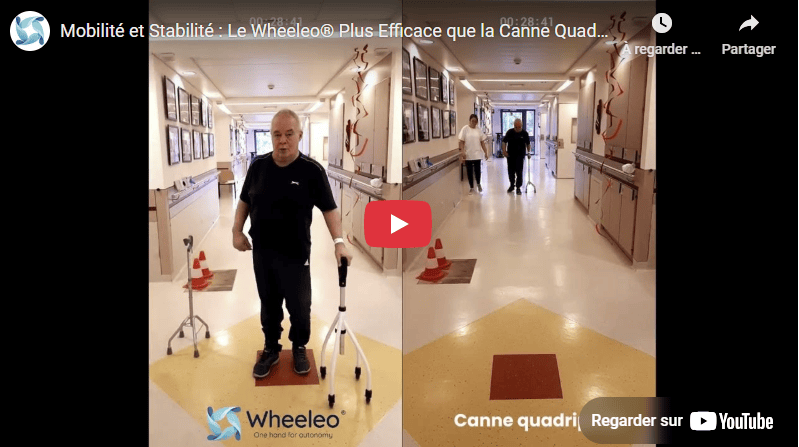
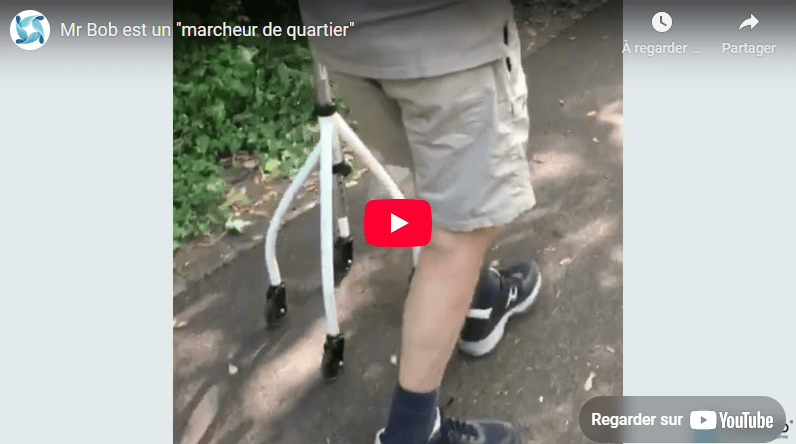
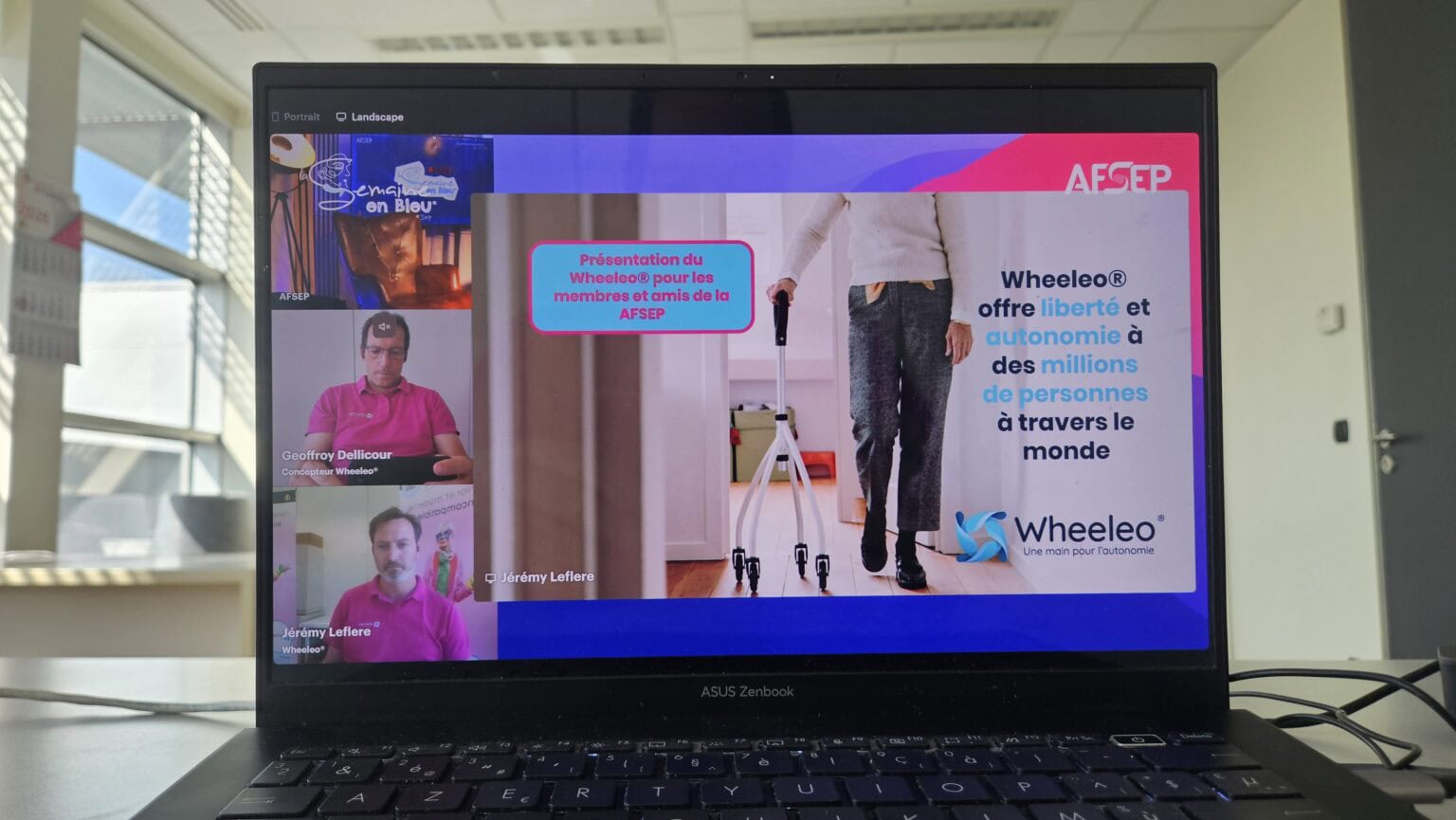
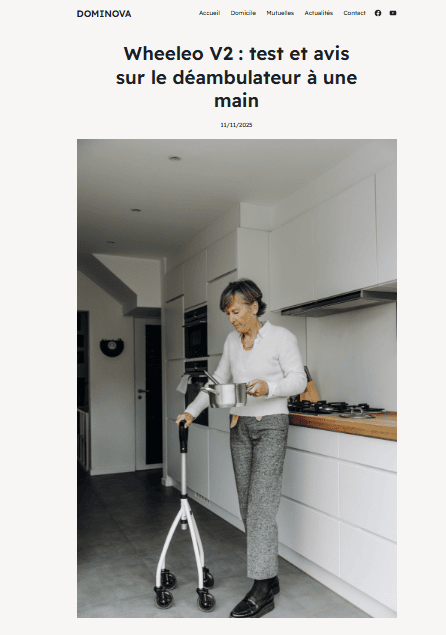
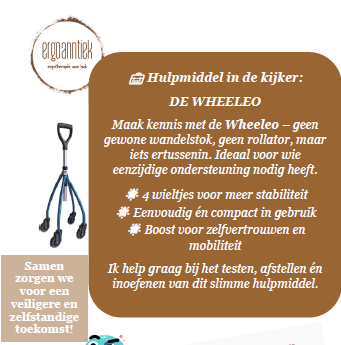
The Wheeleo® was designed to meet precisely this need: it’s a one-handed walker that frees up the able-bodied side while providing continuous support for walking. Unlike a simple cane, it offers a larger support surface and greater stability, reducing the risk of falling.
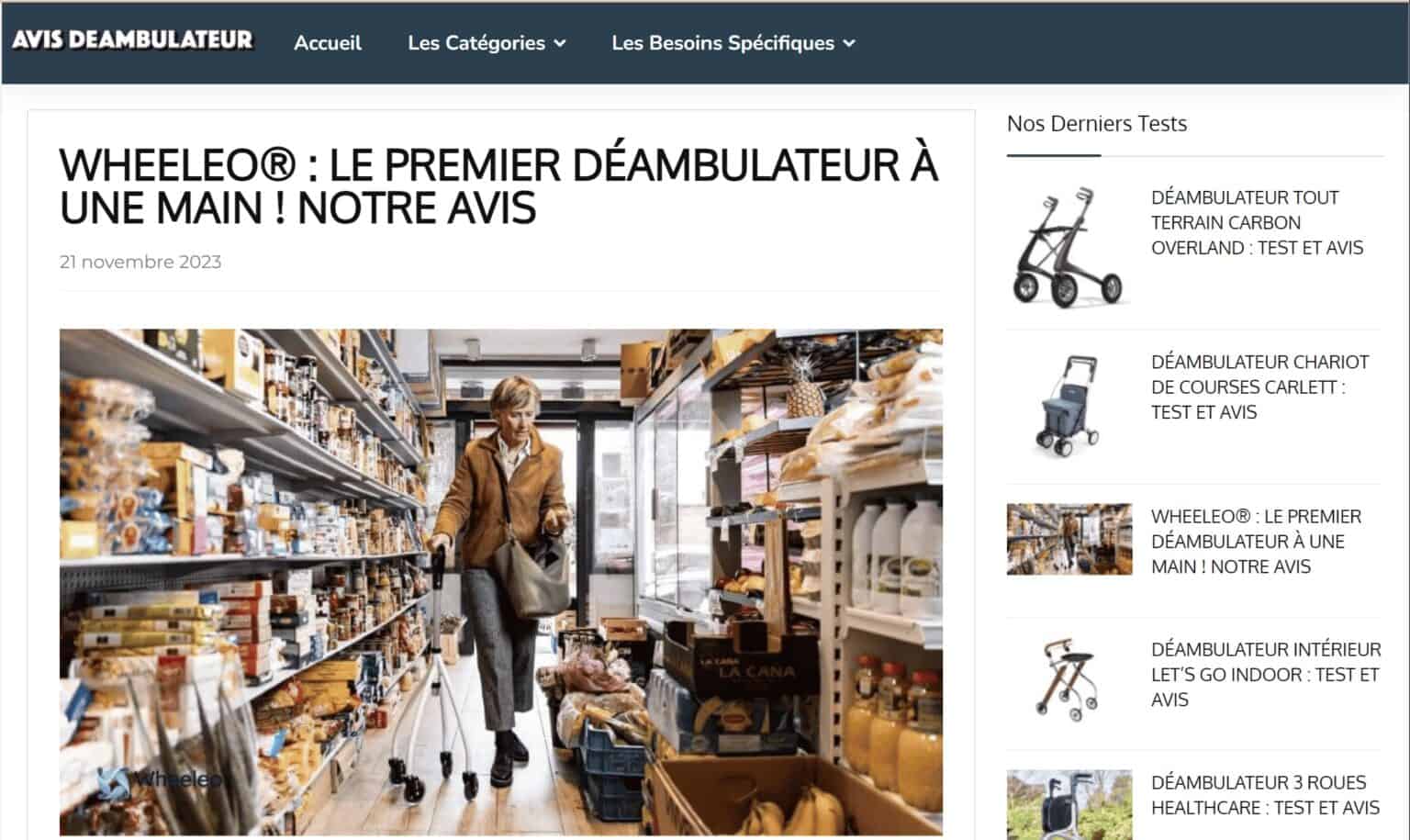
For many patients, this mobility aid represents a turning point: it enables them to go out on their own, to move around the house without constant assistance, and to regain confidence in their ability to get around – a key step in the recovery process.
Q: What causes hemiplegia?
Hemiplegia is caused by damage to the motor pathways of the central nervous system. The most common cause is stroke, either ischemic (occlusion of an artery) or hemorrhagic (rupture of a vessel). Other causes include head trauma, brain tumors, brain infections (encephalitis) and, in children, cerebral palsy.
Q: Can hemiplegia be cured?
Full recovery is possible, especially if the injury is minimal and treatment is rapid. In the majority of cases, recovery is partial: intensive re-education (physiotherapy, occupational therapy) and technical aids make it possible to reduce after-effects and significantly improve autonomy and quality of life. The brain’s neuroplasticity offers real possibilities for recovery, especially in the first few months.
Q: What’s the difference between hemiplegia and stroke?
Stroke is an acute medical event (a cerebrovascular accident), while hemiplegia is one of its possible consequences. In other words, the stroke is the cause, and the hemiplegia is the after-effect. Not all strokes result in hemiplegia.

Stroke & Go is officially created on December 25, 2019.