Why the Wheeleo® Can be Particularly Suitable for Neuromuscular Diseases
Neuromuscular diseases encompass a range of conditions affecting either the muscle, the peripheral nerve, or the neuromuscular junction. Among the most well-known are muscular dystrophy, peripheral neuropathies, spinal muscular atrophy, inflammatory myopathies, and certain genetic diseases.
These pathologies can cause:
- Paresis (partial loss of strength) due to muscle or nerve damage.
- Paralysis when muscle control is significantly lost.
- Sensory disorders (hypoesthesia, paresthesia) that can impair postural control and walking safety.
- Increased fatigability, characteristic of many neuromuscular diseases.
- Balance disorders, linked to both motor deficit, loss of sensory information, and significant compensatory effort.
Given these limitations, the choice of a walking aid evolves with the progression of the disease, depending on the level of impairment, the environment, and the desired degree of autonomy.
The Challenge of Choosing a Mobility Aid
In neuromuscular diseases, needs change over time:
- A cane may become insufficient as muscle weakness progresses, as it requires good upper limb control and the ability to bear weight intermittently.
- A rollator, while very stable, can sometimes offer too much assistance and often requires clear space (impractical indoors).
- Transitioning from one aid to another can create an intermediate zone where no single solution perfectly matches the person’s abilities and goals.
It is precisely in this interval that the Wheeleo® finds its relevance.
The Wheeleo®: a Tailored Response to a Wide Variety of Neuromuscular Deficits
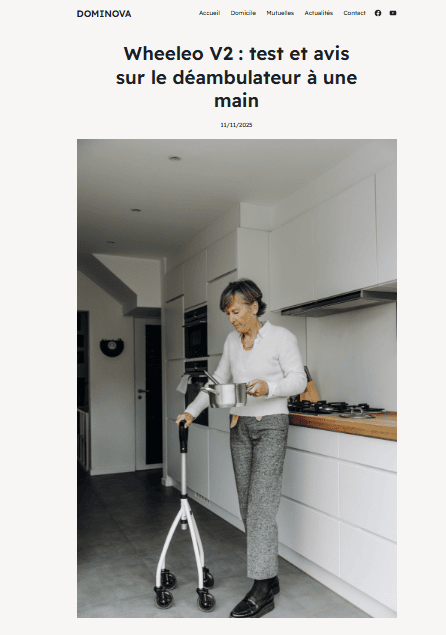
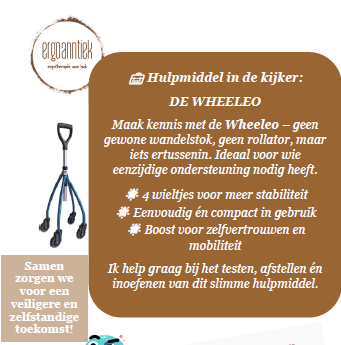
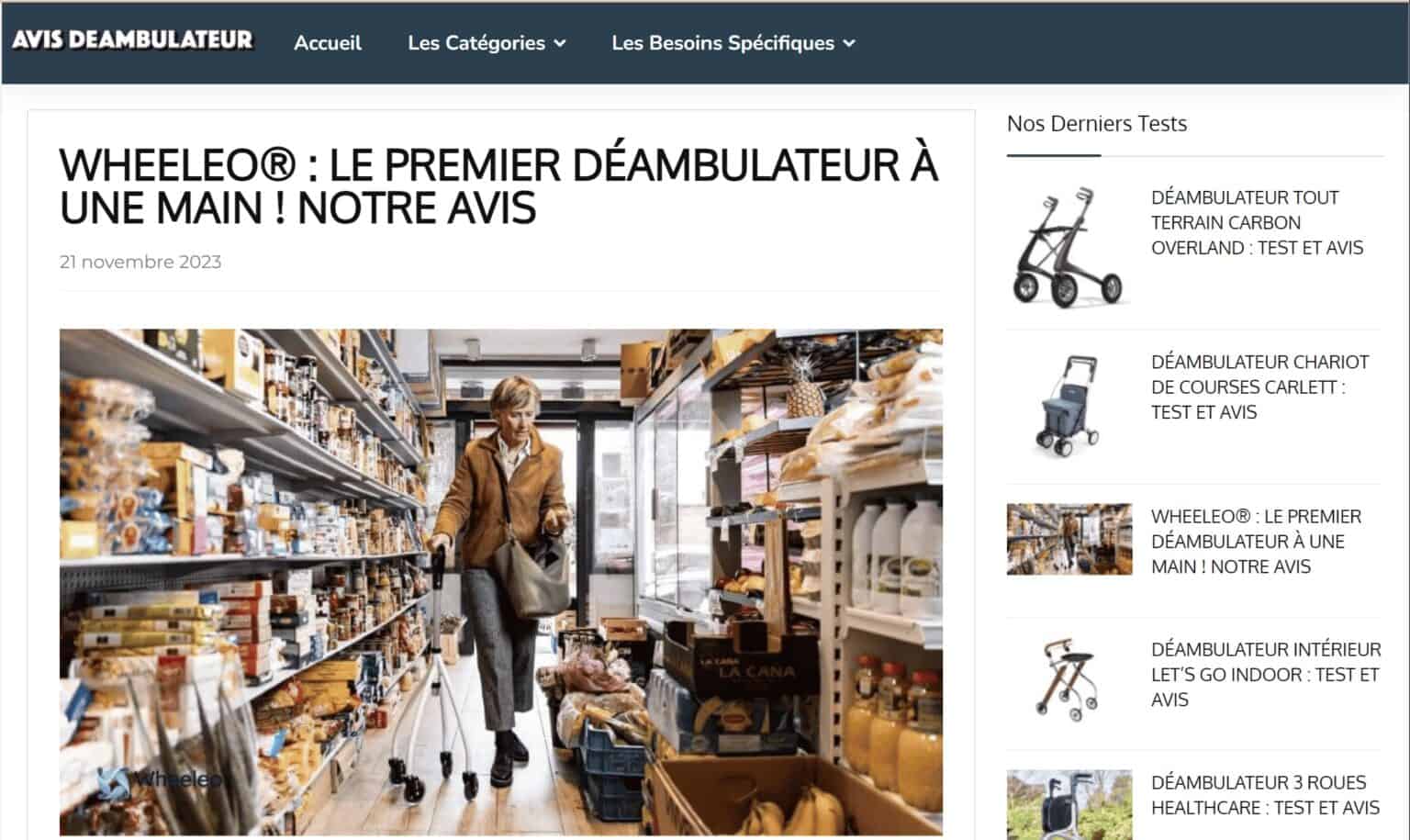
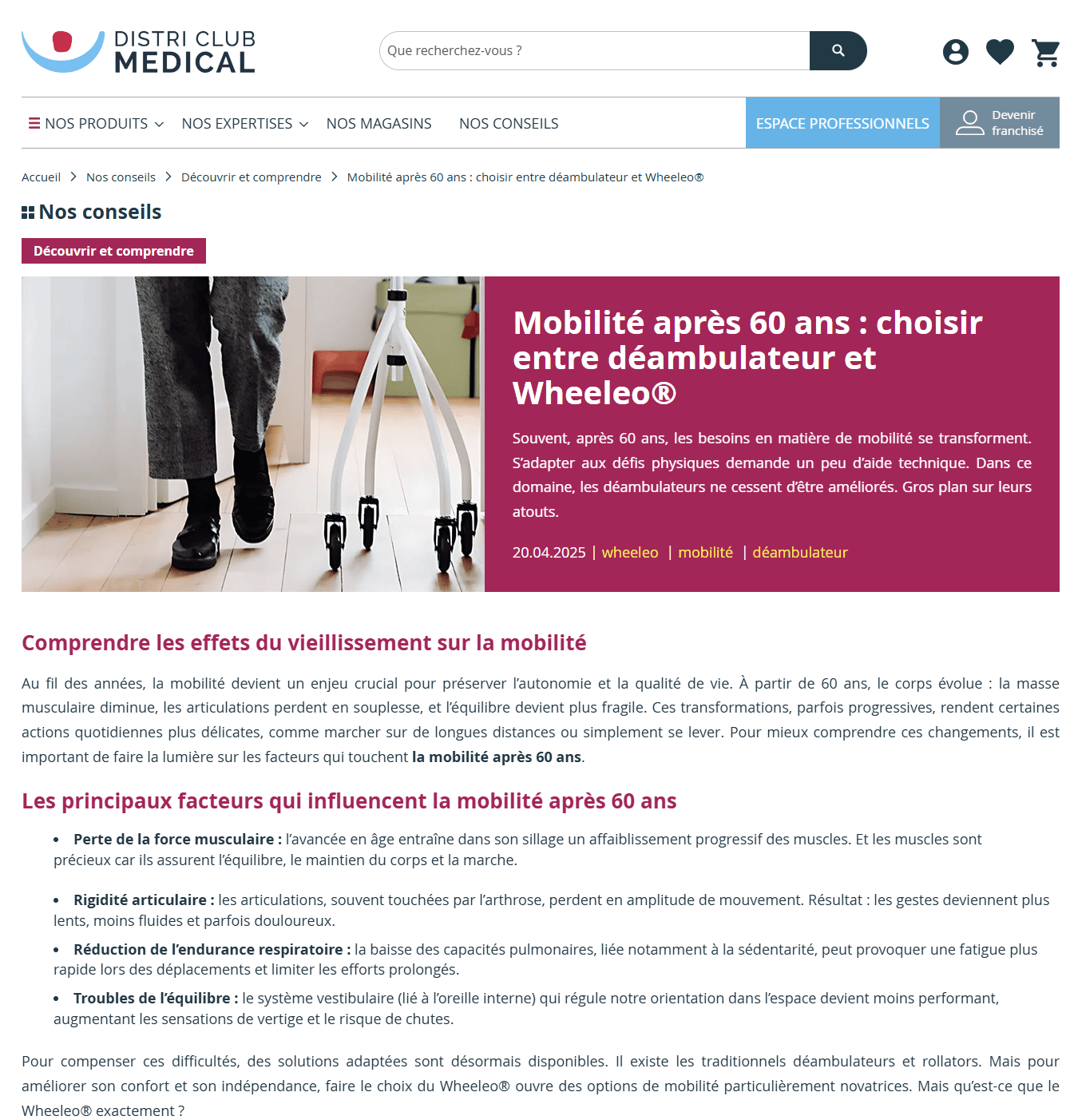
The Wheeleo® is positioned between a cane and a rollator. It offers:
Continuous Support, Ideal in Cases of Paresis
Unlike a cane, which requires an alternating movement (lift, advance, set down), the Wheeleo® offers permanent stability.
This reduces muscular effort, shoulder strain, and the need to synchronize movements.
One-handed Operation
Useful when certain neuromuscular conditions affect one side of the body or make symmetrical use of the upper limbs difficult.
A less “Invasive” Aid than a Rollator
The Wheeleo® does not impose an excessive pushing posture, does not lock walking patterns, and allows the patient to continue using their residual abilities without overcompensating.
Low Cognitive Load
Thanks to its smooth movement, the Wheeleo® does not require complex coordination, which is particularly useful when cognitive fatigue accompanies muscle fatigue — a common phenomenon in neuromuscular diseases.
Enhanced Safety in Cases of Sensory Disorders
Constant support helps compensate for the absence of proprioceptive or tactile information, which is common in peripheral neuropathies. (see article Light Touch Effect)
A Solution that Fits into an Evolving Journey
In the majority of neuromuscular diseases, mobility evolves in phases.
The Wheeleo® can become the most suitable aid when:
- A cane is no longer sufficient,
- A rollator provides too much assistance or is impractical indoors,
- The goal is to maintain active, functional, and natural walking,
- The patient wishes to reduce fatigue while remaining mobile.
The Wheeleo® thus perfectly integrates into an approach aimed at maintaining autonomy, preventing falls, and reducing muscular effort — three central challenges in neuromuscular diseases.